
Being injured in an Uber or Lyft accident puts you in a situation most people aren't prepared for. You're not dealing with one driver and one insurance policy. You're dealing with a rideshare company that has spent years engineering its corporate structure to minimize what it pays injured people. The companies use layered insurance arrangements that shift depending on exactly when during the trip the accident happened, and adjusters who handle these claims every day.
At Fellows Hymowitz Rice, our Rockland County rideshare accident lawyers have spent over four decades handling complex personal injury cases throughout New York. We represent passengers, pedestrians, cyclists, and drivers of other vehicles who were injured as a result of an Uber or Lyft driver's negligence. Our firm is based in New City and handles cases across Rockland, Westchester, the Bronx, Kings, Queens, New York, Orange, Putnam, and Dutchess Counties.
If you were hurt in a rideshare accident, we're ready to go to work.

Rideshare crashes follow recognizable patterns tied to the specific pressures of driving for Uber or Lyft. Understanding those patterns is how we find liability.

Rideshare accidents affect people in very different positions, and the legal analysis shifts depending on where you were when the accident happened.
If you were a passenger in an Uber or Lyft, you are in the strongest insurance position of anyone involved in the accident. During Periods 2 and 3, up to $1.25 million in liability coverage applies. But getting that coverage paid out requires proving fault, establishing your injuries, and countering any attempt by the insurer to dispute the trip status or minimize your damages. We handle all of that.
Drivers of non-rideshare vehicles who are hit by an Uber or Lyft driver often don't initially realize they're in a rideshare case with a more complicated insurance picture. Your claim is covered under the rideshare company's liability policy, not just the driver's personal insurance, and the available coverage depends on which period was active. We determine the correct coverage and pursue it.
Rideshare vehicles pose specific hazards to pedestrians and cyclists: sudden stops to pick up or drop off passengers in unsafe locations, double-parking in bike lanes, and abrupt turns when a pickup notification arrives. These accidents often result in severe injuries, and liability frequently extends to both the driver and the rideshare company.
When an Uber or Lyft crashes without another vehicle involved, the cause may be driver error, fatigue, distraction from the app, or a mechanical failure. We investigate the driver's history, the vehicle's condition, and whether the company's monitoring systems should have caught the problem before it caused harm.
Acting quickly and correctly after a rideshare accident protects both your health and your legal claim. The steps below are specific to rideshare cases. Some of them you won't find in standard car accident advice.
Call 911 and get medical attention even if you feel relatively fine. Internal injuries, concussions, and soft tissue damage from rideshare accidents often don't produce obvious symptoms immediately. A documented medical record connecting your injuries to the accident is the foundation of your claim, and a gap between the crash and your first doctor visit is one of the first things insurers use to minimize payouts.
This step is specific to rideshare accidents and is one of the most important things you can do. Take a screenshot of your Uber or Lyft app immediately after the accident to capture the trip status, driver information, route data, and timestamp. This is direct evidence of which insurance period was active. It can disappear from your account quickly, and without it, the dispute over coverage periods becomes much harder to resolve in your favor.
If it is safe, photograph both vehicles, the accident scene, road and traffic conditions, and any visible injuries. Note the driver's name, vehicle, and license plate. Write down what you remember about how the accident happened while the details are still fresh.
Report the accident through Uber's or Lyft's in-app reporting system and keep records of what you submitted, when, and any confirmation you receive. Do not assume the driver will report it accurately or at all.
Do not provide recorded statements to Uber's, Lyft's, or any other insurer's adjusters before speaking with an attorney. Early settlement offers are structured to close claims before the full extent of your injuries is known. Once you sign a release, you cannot reopen it, regardless of what develops later.
Once you retain us, we take over all contact with every insurance carrier involved. You stop fielding calls designed to minimize your claim. We start building your case from the evidence that exists right now, before it disappears.
The injuries in rideshare accidents range from serious to catastrophic, depending on the speed of impact, the type of collision, and whether restraints were used:
Many of these injuries require extended rehabilitation, surgery, and ongoing care. Our attorneys make sure every cost, present and future, is accounted for in your claim.
Get a free case evaluation from exceptional attorneys who handle these cases regularly. Contact us today.

Liability in a rideshare case is never just about the driver. Here's how the full analysis works.
Our investigation focuses first on the rideshare driver's conduct. We gather evidence of distracted driving through app use, GPS, or phone; speeding; aggressive driving; failure to yield; impairment; and any other behavior that demonstrates the driver failed to meet their duty of care. We obtain phone records, app activity logs, and any available dashcam or traffic camera footage that captures what the driver was doing in the moments before impact.
Beyond the driver, Uber or Lyft itself may be liable. Under the principle of vicarious liability, the company can be held responsible for a driver's negligent actions when those actions occurred during an active trip. We also investigate whether the company's own conduct contributed to the accident: whether they screened the driver adequately, whether complaints about that driver were ignored, and whether the platform's design encourages the kind of rushed decision-making that leads to crashes. These are not easy arguments to make, but they are legitimate ones, and we pursue them when the facts support them.
In many rideshare accidents, another driver, a pedestrian, a property owner, or a vehicle manufacturer shares responsibility. We investigate every contributing factor and pursue compensation from every liable party, not just the most obvious one.
New York sets firm deadlines that end your right to compensation if missed.
Under N.Y. C.P.L.R. § 214, the statute of limitations for personal injury claims is 3 years from the date of the accident.
Additional deadlines that rideshare accident victims specifically need to know:
Digital evidence deteriorates fast. App data, GPS records, and driver logs need to be preserved through proper legal channels before Uber or Lyft overwrites or restricts access to them. Every week that passes without legal action is a week that evidence can disappear.

New York law allows rideshare accident victims to pursue both economic and non-economic damages.
Given New York's $1.25 million coverage requirement for active rideshare trips, the available insurance in these cases is significantly higher than in a standard car accident claim. That doesn't mean Uber or Lyft will pay it willingly. It means there is real money to fight for, and the fight is worth having with the right attorneys.
Rideshare accident cases require a level of investigation that goes well beyond standard car accident work. Here's what that looks like in practice.
To be successful, rideshare accident cases require exhaustive preparation, persistence, and specific knowledge of how Uber and Lyft defend claims. Here's what we bring.

We have handled enough rideshare accident cases to recognize the playbook: dispute the period, minimize the injuries, redirect blame to the driver or a third party, and wait for claimants to settle out of frustration. We anticipate each of these moves and build cases specifically designed to counter them.

The evidence that wins rideshare cases, trip data, GPS logs, app activity, and driver history, has a short shelf life. We act immediately to preserve it through proper legal channels before Uber or Lyft can claim it's unavailable. That speed is often what separates a strong case from a weak one.

Rideshare cases involve multiple defendants and multiple insurers simultaneously. We manage all of them: the driver, the rideshare company, any third-party drivers, and every insurance carrier involved. You don't have to coordinate between legal teams. We handle it all under one roof.

You pay nothing up front. We only collect a fee if we recover compensation for you. There is no financial risk in calling us, and given New York's high coverage requirements for active rideshare trips, the potential recovery in these cases is real.

We know the local courts, local procedures, local judges, and the legal community here. That isn't a marketing language. It means that when your case moves toward litigation, we're already in the right county and know exactly what to expect.

Rob Fellows is more than just a lawyer; he's a seasoned advocate and a respected leader in the legal community. With over 40 years of experience, he's earned a reputation for meticulous preparation, unwavering advocacy, and a genuine commitment to his clients.











Steve Hymowitz is a champion for the underdog, specializing in medical malpractice and construction accident cases. He’s known for his warmth and unwavering dedication, relentlessly pursuing justice for those who feel powerless against insurance companies.




Matthew brings an unparalleled level of energy and drive to every case, earning a reputation for achieving exceptional results. He goes beyond financial wins, building deep connections with clients and becoming a trusted advisor during their most difficult times.



Joanne Horowitz is a skilled legal strategist and a strong advocate for those facing injuries due to negligence, construction accidents, and medical malpractice.

Margaret is a seasoned negotiator, expert in civil dispute resolution, with extensive experience handling homicide cases.
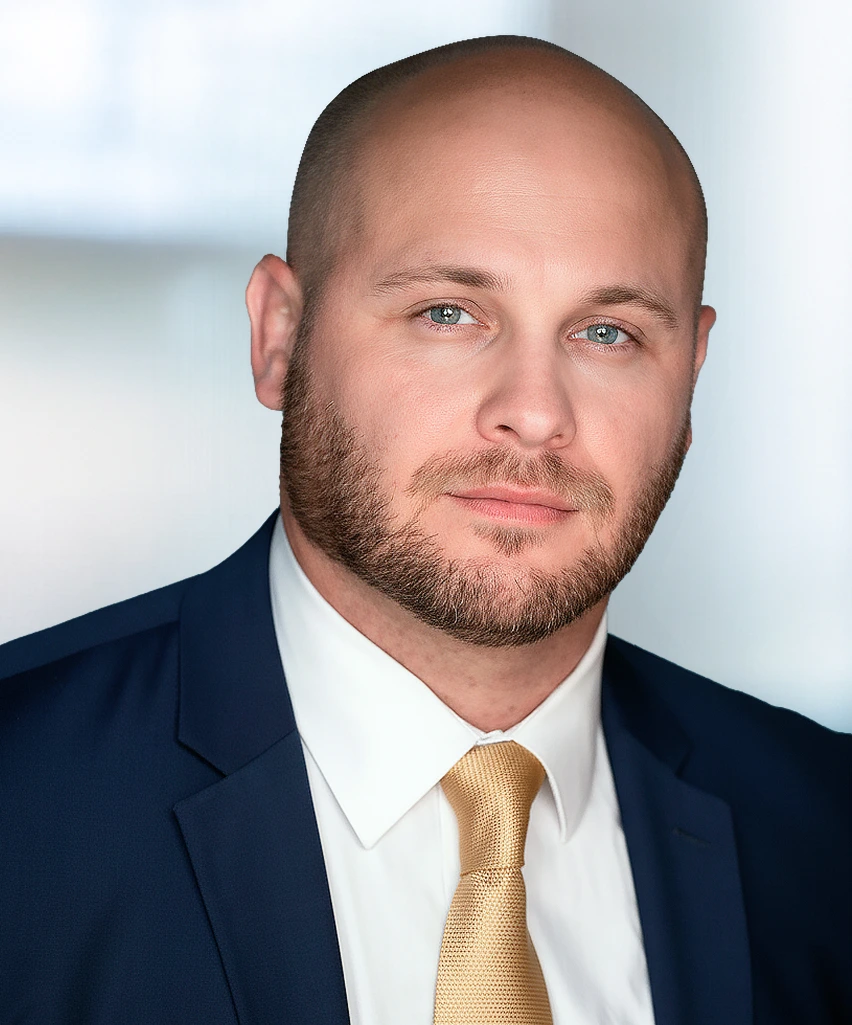
Jake is a dedicated, hardworking, and compassionate attorney with a unique perspective shaped by his experience representing both plaintiffs and defendants.
Whether your rideshare accident happened in Rockland County, the Bronx, Manhattan, Brooklyn, Queens, Westchester, or anywhere else in New York State, Fellows Hymowitz Rice is ready to represent you. Our firm is based in New City and has practiced throughout New York for decades.

Fellows Hymowitz Rice has spent over four decades representing injured New Yorkers, and rideshare cases are increasingly a significant part of that work. We know how to obtain evidence, establish the appropriate coverage period, and hold Uber and Lyft accountable when their drivers hurt people. Call us today for a free consultation!

Yes, potentially. As a passenger during an active trip, you are covered by Uber's or Lyft's liability policy, which in New York means up to $1.25 million in coverage. You may also have a claim against the driver personally and, if a third-party driver caused the accident, against that driver's insurer and the rideshare company's underinsured motorist coverage. The specifics depend on the facts of your case. Passengers are generally in the strongest insurance position of any rideshare accident victim.
No. The driver's statement about their app status is not the final word. App data, GPS records, and trip logs can establish what was actually happening at the time of impact. Disputing the period is one of the most common defenses in rideshare cases and one of the first things we investigate. We have handled this exact argument before. Don't accept a denial based on what the driver says.
You may have claims against the other driver's insurance and, depending on their policy limits, against Uber's or Lyft's underinsured motorist coverage, which in New York must be at least $1.25 million during active trips. You also have a No-Fault claim through the rideshare company's policy for immediate medical expenses. We identify every applicable source of coverage and pursue all of them simultaneously.
New York follows a pure comparative negligence rule under N.Y. C.P.L.R. § 1411. You can still recover compensation even if you share some responsibility. Your recovery is reduced by your percentage of fault, but it is not eliminated. Rideshare companies and their insurers will often try to assign you a share of fault to reduce their exposure. We know how to push back on those arguments.
Every case is different. The value depends on the severity of your injuries, whether they are permanent, your medical costs now and in the future, your lost income and earning capacity, and the extent of your pain and suffering. Rideshare cases in New York have access to significantly higher insurance coverage than standard car accidents, which means the ceiling is higher. We work with medical and financial professionals to establish the full value of your losses before any settlement number is discussed.
